Vertical Working Distance
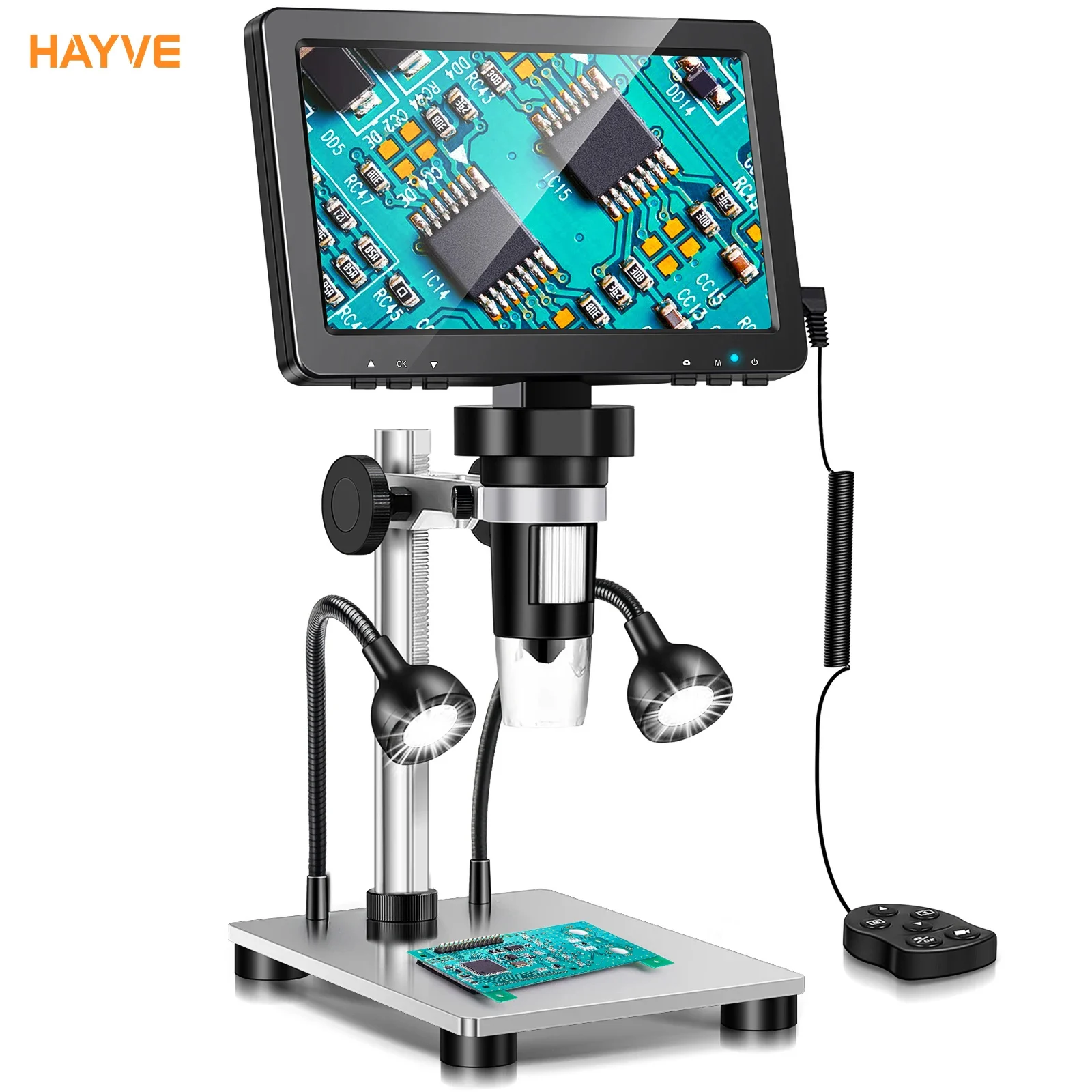
Does the pillar or boom arm allow adequate hand and iron clearance beneath the lens when focusing on the target surface?
Seller listings frequently promise thousand-fold magnification without stating physical clearance for hot soldering irons or live frame display latency. ReticleBench organizes digital inspection microscopes around practical workbench constraints.

Four practical questions to verify before choosing a benchtop digital magnification setup.
Does the pillar or boom arm allow adequate hand and iron clearance beneath the lens when focusing on the target surface?
Does hand movement under tweezers translate instantaneously on screen, or does display buffering induce hand-eye disconnect?
Seller claims exceeding 1000X usually rely on sensor pixel interpolation rather than resolving actual surface trace relief.
Lightweight plastic brackets vibrate under tool contact; direct downward ring lights often wash out reflective solder joints.

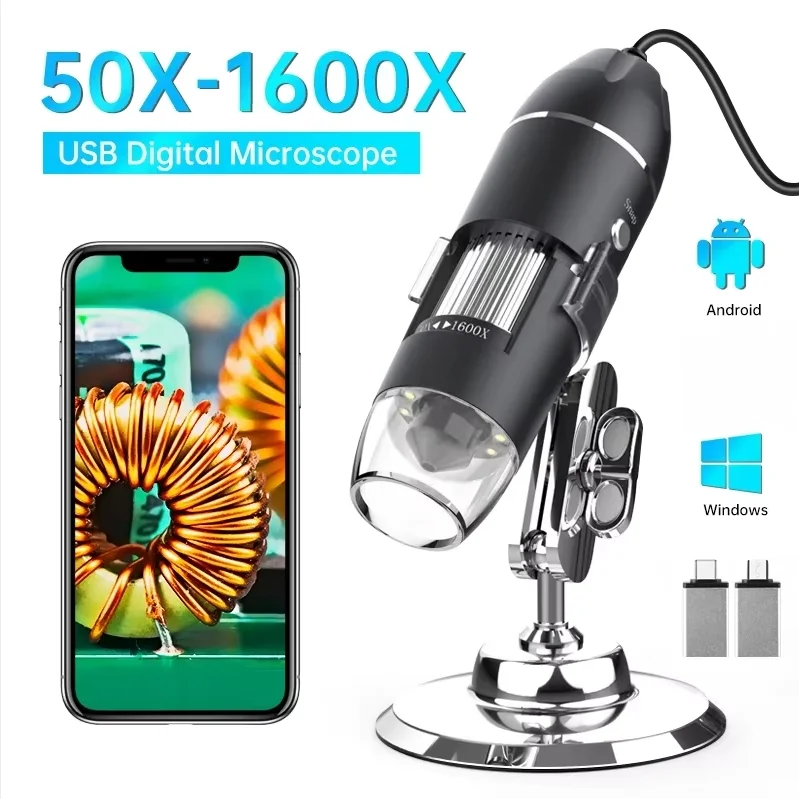
A USB microscope streams live magnified images directly to your computer or phone, letting you see fine details on a larger screen while keeping both
Read Analysis
Cut through inflated magnification claims to pick the right handheld digital microscope for circuit boards, field inspection, and precision hobby work.
Read Analysis
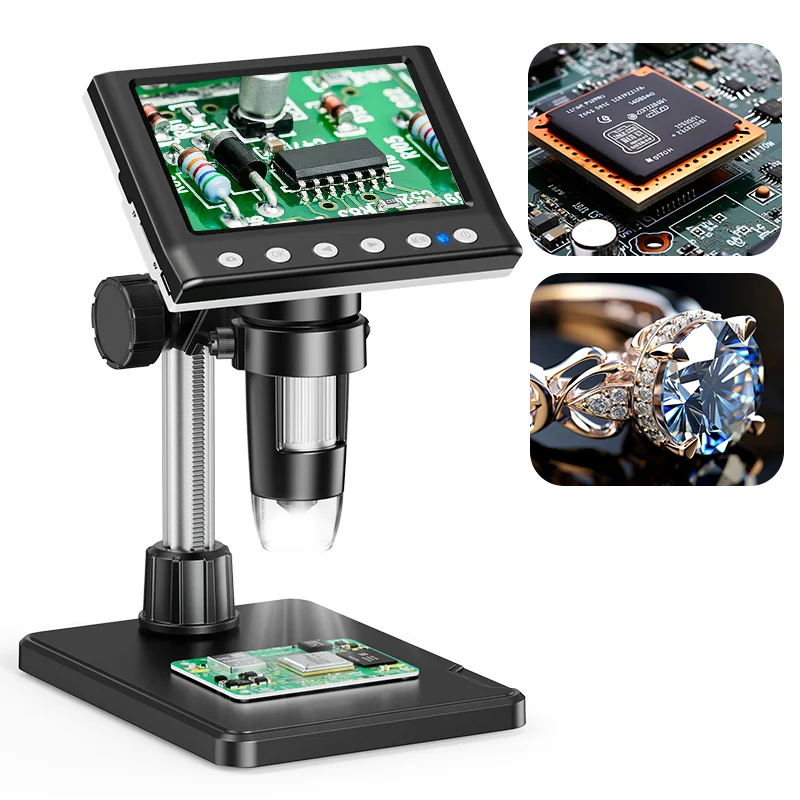
Compare standalone screen digital microscopes for soldering and PCB work. Learn how working distance and stands matter more than claimed zoom numbers.
Read AnalysisReticleBench evaluates available catalog specifications by formulating critical buying questions. We do not claim lab teardowns or invented measurements; we help makers cross-reference declared specs against realistic workspace limits.